Mar 09Source: Intelligent Browse: 591
Mini button load cells are compact force sensors designed to measure compression forces in applications where space is limited and precision is critical. Due to their small size, high sensitivity, and reliable performance, these sensors are widely used in industrial automation, testing equipment, robotics, and medical devices. Understanding the basic structure of a mini button load cell helps users better appreciate how it delivers accurate and stable force measurement.
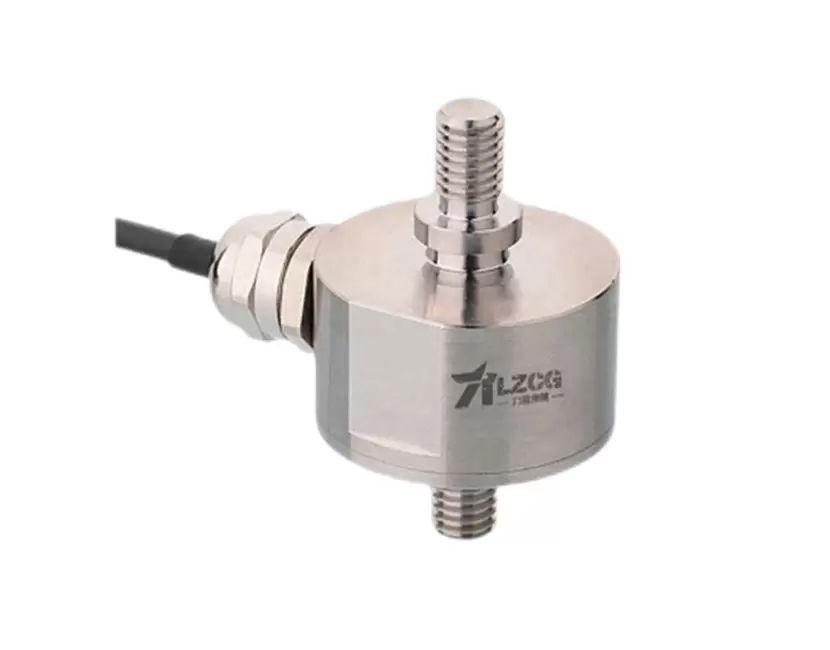
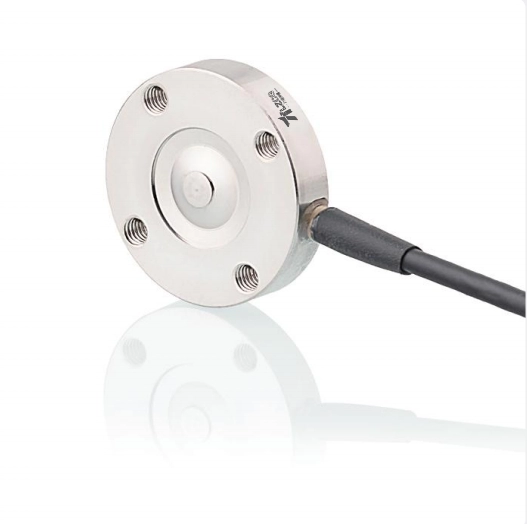
The main structure of a mini button load cell is the sensor body, which is typically made from high-strength materials such as stainless steel or alloy steel. This component serves as the mechanical structure that withstands external force while maintaining structural stability. The compact cylindrical or button-shaped design allows the sensor to fit into tight installation spaces without compromising measurement accuracy.
The sensor body is carefully engineered to distribute applied force evenly across the sensing area. This ensures that the internal sensing elements respond consistently when a load is applied.
At the core of a mini button load cell is the strain gauge, which is responsible for converting mechanical force into an electrical signal. When a compressive force is applied to the sensor, the metal structure of the load cell experiences a slight deformation. The strain gauges attached to the structure detect this deformation and change their electrical resistance accordingly.
These resistance changes are extremely small, but they can be accurately measured and converted into force data through a signal conditioning system.
Most mini button load cells incorporate a Wheatstone bridge circuit that connects multiple strain gauges together. This circuit configuration improves measurement accuracy and enhances the sensor’s sensitivity to small force changes.
The Wheatstone bridge also helps compensate for temperature variations and external interference, ensuring stable and reliable output signals during operation.
To protect the internal components, mini button load cells are equipped with a protective housing or sealing structure. This design prevents dust, moisture, and other environmental contaminants from affecting the sensor’s performance.
High-quality sensors are often designed with strong sealing features to support long-term operation in demanding environments such as industrial production lines or testing laboratories.
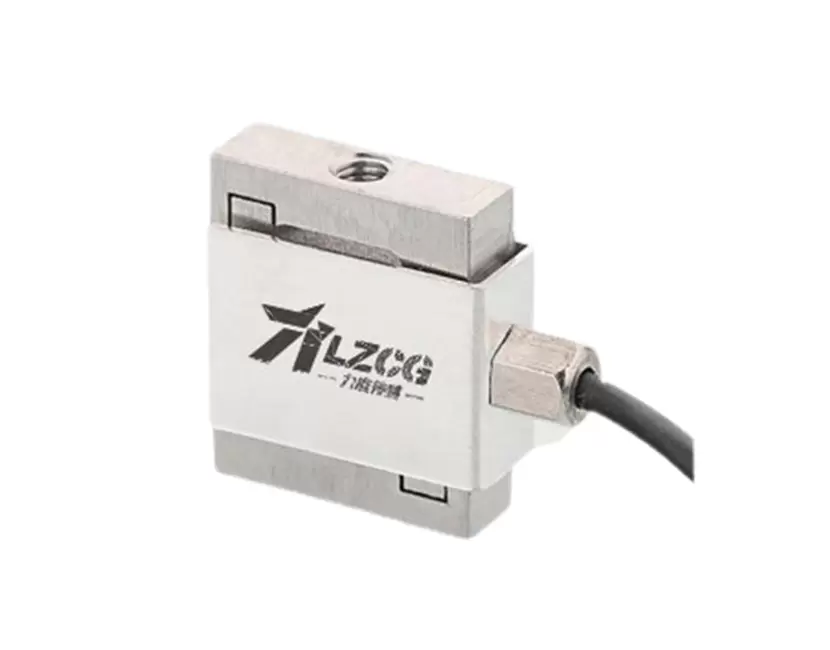
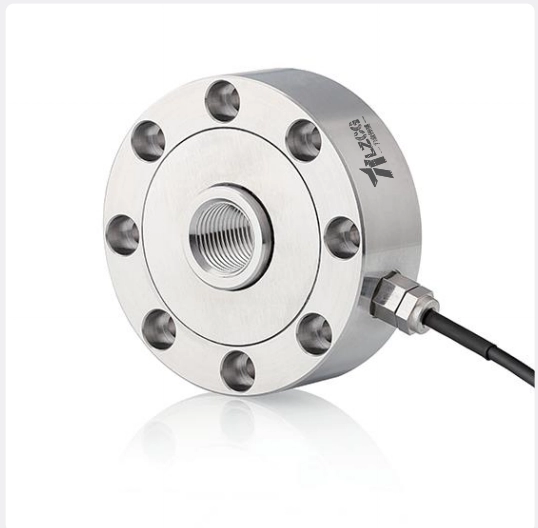
Another essential part of the structure is the electrical output connection, typically in the form of cables or connectors. These components transmit the electrical signals generated by the strain gauges to external amplifiers, controllers, or data acquisition systems.
Stable signal transmission is crucial for ensuring that the measured force values remain accurate and consistent.
Although mini button load cells are small in size, their internal structure is carefully engineered to deliver precise and reliable force measurements. Key components such as the sensor body, strain gauges, Wheatstone bridge circuit, protective housing, and output connections work together to convert mechanical force into accurate electrical signals.
With their compact design and dependable performance, mini button load cells have become essential components in modern precision measurement systems. Shenzhen Ligent Sensor Tech Co., Ltd. is dedicated to providing high-quality sensor solutions that meet the demanding requirements of industrial and technological applications.
https://www.ligentsensor.com/Miniature-Compression-Force-Sensor/

 EN
EN