
Jan 15Source: Intelligent Browse: 593
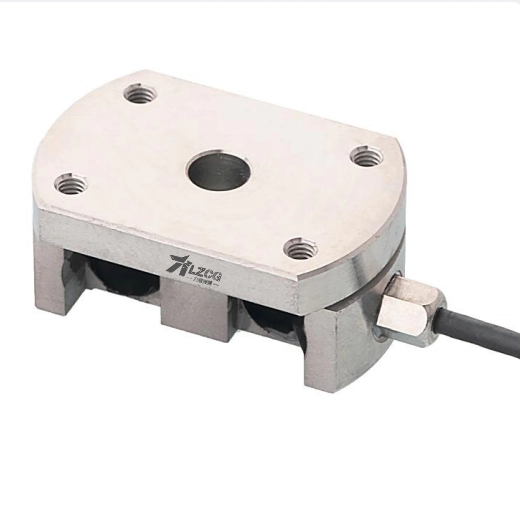
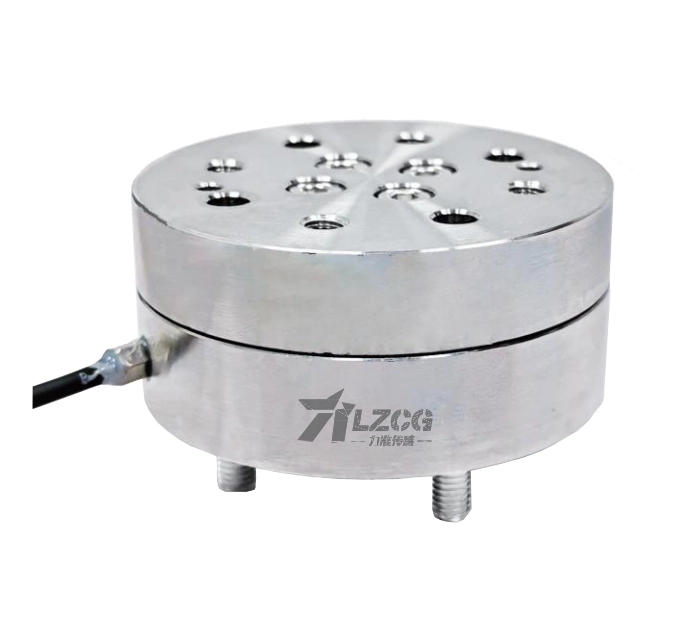
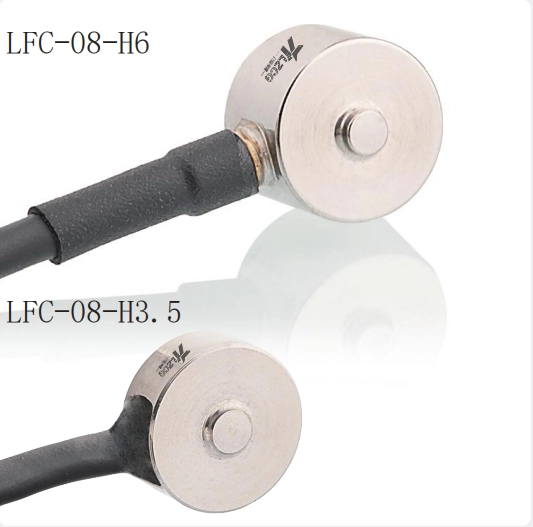
Compression force transducers, also known as compression load sensors, play a critical role in modern industrial and engineering applications. But how exactly do they work, and why are they so essential for measuring loads and monitoring structural pressure?
At its core, a compression force transducer converts a compressive mechanical force into an electrical signal that can be accurately measured and analyzed. This process enables engineers and technicians to quantify the exact force applied to a component, structure, or system. Whether it is in heavy machinery, testing laboratories, or structural monitoring, these sensors ensure that forces are precisely measured, preventing overloads, structural failures, or operational inefficiencies.
Compression force transducers are widely used to measure the magnitude of compressive loads applied to materials or mechanical systems. In industrial settings, they can monitor pressing, stamping, or molding processes, ensuring that the correct force is applied for consistent product quality. For example, in material testing, a transducer can determine how much pressure a sample can withstand before deformation or failure, providing critical data for design and safety assessments.
Beyond direct load measurement, these transducers are also instrumental in monitoring structural pressure. Bridges, buildings, and heavy equipment often experience varying compressive forces over time. By installing compression force transducers at strategic points, engineers can continuously monitor stress levels, detect potential weak points, and take preventive measures to avoid structural damage. This real-time data is especially valuable in civil engineering, aerospace, and automotive applications.
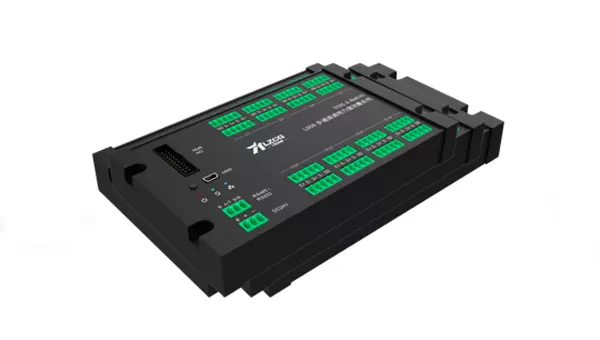
Precision and reliability are key. Shenzhen Ligent Sensor Tech Co., Ltd. offers advanced compression force transducers designed for high accuracy, stability, and durability. Their sensors are capable of providing precise measurements under extreme conditions, including high temperature, vibration, or harsh industrial environments. With a robust design and reliable signal output, these transducers integrate seamlessly into automated control systems and data acquisition platforms.
Industrial Manufacturing: Presses, stamping machines, assembly lines.
Material Testing: Compression tests for metals, plastics, and composites.
Civil Engineering: Structural health monitoring of bridges, towers, and buildings.
Automotive & Aerospace: Load measurement in components, suspension testing, and crash simulations.
In conclusion, compression force transducers are indispensable for accurate load measurement and structural pressure monitoring. They provide engineers with actionable data to ensure safety, optimize performance, and maintain the integrity of critical systems. By choosing reliable transducers from trusted manufacturers like Shenzhen Ligent Sensor Tech, industries can enhance productivity, reduce risks, and achieve precise control over mechanical processes.
https://www.ligentsensor.com/Screw-Type-Tension-Compression-Force-Sensor/

 EN
EN