
Jan 06Source: Intelligent Browse: 606
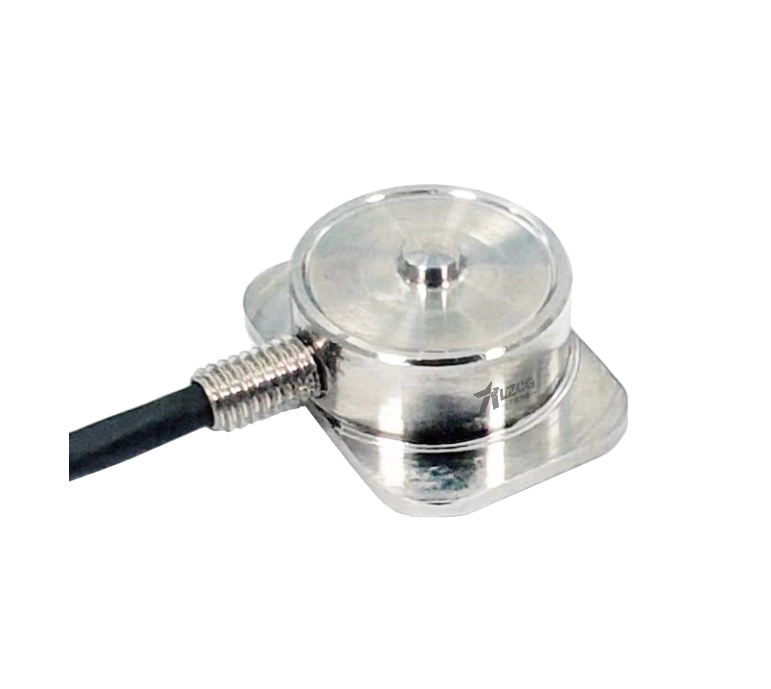
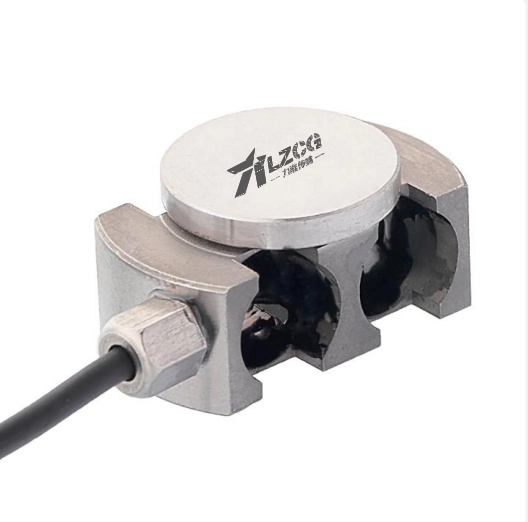
A Column Force Sensor is widely used in heavy-load and high-stability force measurement applications. Compared with other common force sensors such as S-type force sensors and shear beam force sensors, column force sensors offer distinct structural and performance advantages. Shenzhen Ligent Sensor Tech Co., Ltd. develops column force sensors designed to meet demanding industrial measurement requirements where accuracy and durability are critical.
The most significant difference lies in the mechanical structure. A column force sensor features a symmetrical cylindrical body designed to bear compressive loads directly along its axis. This structure allows force to be evenly distributed, reducing sensitivity to off-center loading.
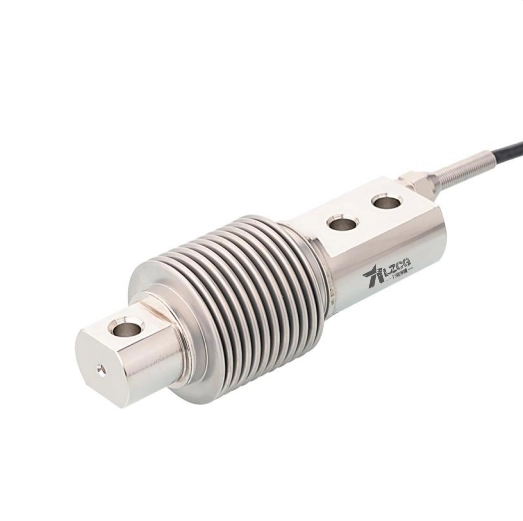
In contrast, an S-type force sensor has a suspended structure that measures both tension and compression, while a shear beam force sensor relies on shear deformation in a beam. These designs are more sensitive to mounting conditions and installation alignment than column-type structures.
Column force sensors are especially suited for high-capacity force measurement, often ranging from several tons to hundreds or even thousands of tons. Their compact and robust design enables stable performance under heavy static loads.
S-type force sensors are commonly used for medium-range tension and compression applications, while shear beam force sensors are typically applied in lower to medium load weighing systems such as platform scales or hopper weighing. For extreme load environments, column force sensors provide superior long-term stability.
Thanks to their symmetrical geometry, column force sensors offer better resistance to eccentric and side loads compared to other force sensor types. This makes them ideal for applications where perfect alignment is difficult to maintain.
S-type and shear beam sensors are more sensitive to lateral forces, which can introduce measurement errors or affect long-term accuracy if not properly controlled during installation.
Column force sensors are typically installed between rigid surfaces and are commonly used in compression-only applications. Their installation is straightforward in heavy machinery, presses, and structural load monitoring systems.
S-type force sensors require suspension or tension mounting points, making them more suitable for hanging loads or tension measurement. Shear beam sensors are often mounted with fixed ends and are widely used in industrial weighing platforms and process control systems.
Due to their strength and reliability, column force sensors are commonly applied in:
Heavy industrial presses and testing machines
Structural load monitoring in construction and infrastructure
Large-scale weighing systems and material testing equipment
S-type and shear beam force sensors are more frequently used in lighter industrial processes, packaging systems, and general-purpose force or weight measurement tasks.
Selecting the appropriate force sensor depends on load capacity, installation conditions, and measurement requirements. When high load capacity, structural stability, and resistance to misalignment are critical, a column force sensor is often the preferred choice.
Shenzhen Ligent Sensor Tech Co., Ltd. provides reliable column force sensor solutions that help engineers achieve accurate and stable force measurement across a wide range of industrial applications.
https://www.ligentsensor.com/Column-Force-Sensor/LF-603.html
https://www.ligentsensor.com/Column-Force-Sensor/LF-605.html
https://www.ligentsensor.com/Column-Force-Sensor/LF-605A3.html
https://www.ligentsensor.com/Column-Force-Sensor/LF-605N.html
https://www.ligentsensor.com/industry/Column-Force-Sensor-vs-Other-Force-Sensors-A-Practical-Engineering-Perspective.html
 EN
EN