Force measurement plays a critical role in industrial automation, robotics, material testing, and precision manufacturing. Among various force sensing technologies, the column force sensor is widely used due to its compact structure and high rigidity. However, it is not always the best solution for every application.
To select the right device, engineers must understand how a column-type sensor differs from other force sensors such as beam load cells, S-type sensors, multi-axis force sensors, and piezoelectric force sensors.
1. Structural Design Differences
Column Force Sensor (Compression Type)
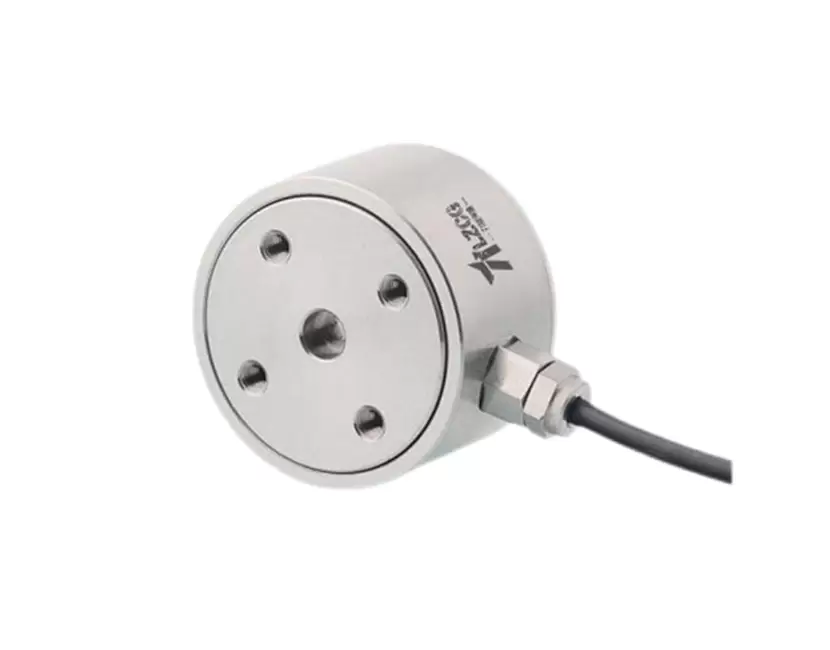
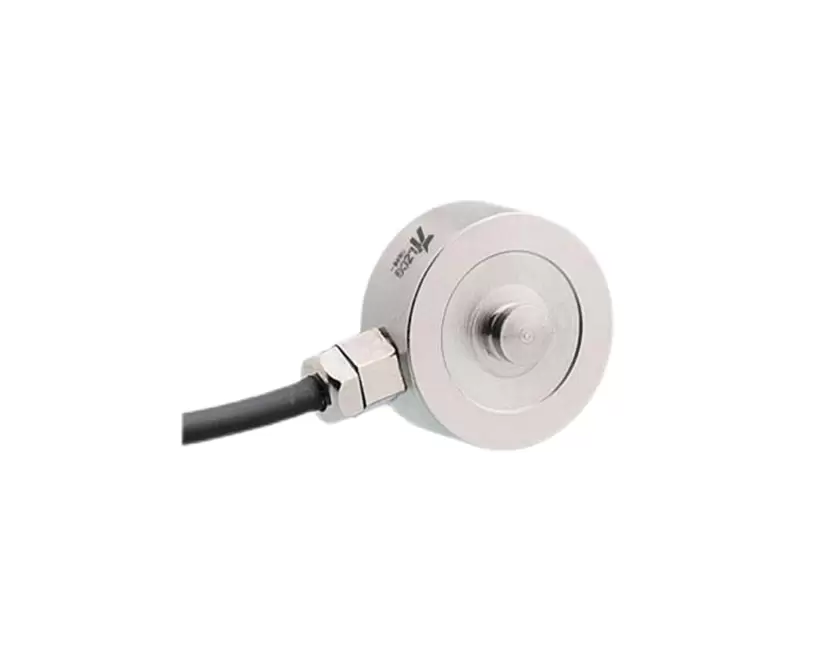
A column force sensor typically uses a cylindrical or cylindrical-column structure. Force is applied vertically along the axis, and strain gauges measure deformation within the column body.
Key characteristics:
- High structural rigidity
- Compact vertical load path
- Designed mainly for compression force
- Excellent stability under high loads
Other Force Sensors
Different designs include:
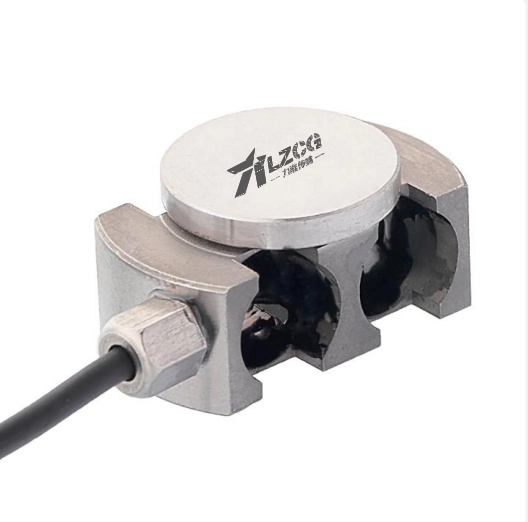
- Beam type sensors (bending structure)
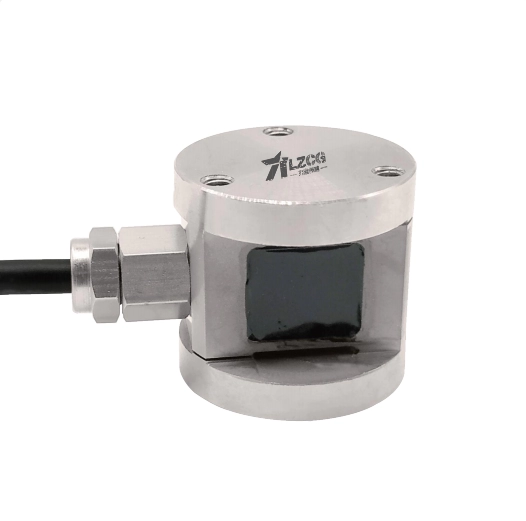
- S-type sensors (tension + compression)
- Multi-axis sensors (3D force measurement)
- Piezoelectric sensors (dynamic force detection)
Each design responds differently to mechanical stress distribution.
2. Load Direction and Measurement Capability
Column Force Sensor
- Primarily measures vertical compression force
- Best for static or quasi-static loads
- Not ideal for lateral or off-axis forces
Other Force Sensors
- Beam sensors: single-axis bending force
- S-type sensors: tension and compression dual-direction
- Multi-axis sensors: X/Y/Z force components
- Piezo sensors: dynamic impact force and vibration
This means column force sensors are highly specialized, while other sensors offer broader measurement flexibility.
3. Accuracy and Stability Comparison
Column force sensors generally provide:
- High repeatability
- Strong resistance to mechanical interference
- Low deformation error under stable load conditions
However, in dynamic environments:
- Beam and S-type sensors may perform better in flexibility
- Piezoelectric sensors outperform in high-frequency impact detection
So, stability vs responsiveness becomes a key trade-off.
4. Dynamic vs Static Force Measurement
Column Force Sensor
Best suited for:
- Static weighing systems
- Hydraulic press monitoring
- Industrial load monitoring
- Calibration systems
Limitations:
- Not ideal for rapid impact or vibration environments
- Slower response compared to piezo-based sensors
Other Force Sensors
- Piezoelectric sensors excel in impact testing and vibration analysis
- Strain gauge load cells handle both static and semi-dynamic loads
- Multi-axis sensors support complex force environments like robotics
5. Installation and Space Constraints
Column force sensors usually require:
- Vertical installation alignment
- Rigid mounting structure
- Minimal side-load interference
Other force sensors provide more flexibility:
- S-type sensors can be suspended in-line
- Beam sensors can be embedded into compact structures
- Thin-film sensors can be integrated into surfaces
This makes non-column sensors more suitable for embedded systems.
6. Overload Capacity and Durability
Column force sensors are known for:
- High overload resistance
- Strong structural durability
- Long service life under industrial loads
Other sensors vary:
- Beam sensors may deform under overload
- Piezo sensors are sensitive but less suitable for long static loads
- Multi-axis sensors require careful calibration for durability
7. Application Scenarios Comparison
Column Force Sensor Applications
- Hydraulic press force monitoring
- Industrial weighing systems
- Compression testing machines
- Material strength testing
Other Force Sensor Applications
- Robotics force feedback systems
- Impact testing and crash analysis
- Medical force monitoring devices
- Automotive multi-directional force measurement
- Precision assembly and electronics testing
8. Cost and Integration Considerations
Column force sensors:
- Moderate to high cost depending on load capacity
- Simple signal processing
- Easy integration in vertical systems
Other force sensors:
- Beam and S-type: cost-effective for general use
- Piezo sensors: higher cost but specialized performance
- Multi-axis sensors: highest complexity and cost
9. Key Engineering Insight: No “Best Sensor,” Only “Best Fit”
The biggest misconception in force measurement is assuming one sensor type is superior.
In reality:
- Column force sensors excel in stable, vertical compression environments
- Other force sensors dominate in dynamic, multi-directional, or flexible measurement systems
The correct choice depends on:
- Load direction
- Measurement frequency
- Installation space
- Required accuracy
- Environmental conditions
Column force sensors are highly reliable, rigid, and ideal for vertical load applications, but they are not universally applicable. Other force sensors such as beam, S-type, multi-axis, and piezoelectric sensors provide broader functionality across different engineering scenarios.
Understanding these differences helps engineers design more accurate, efficient, and cost-effective measurement systems.



 EN
EN